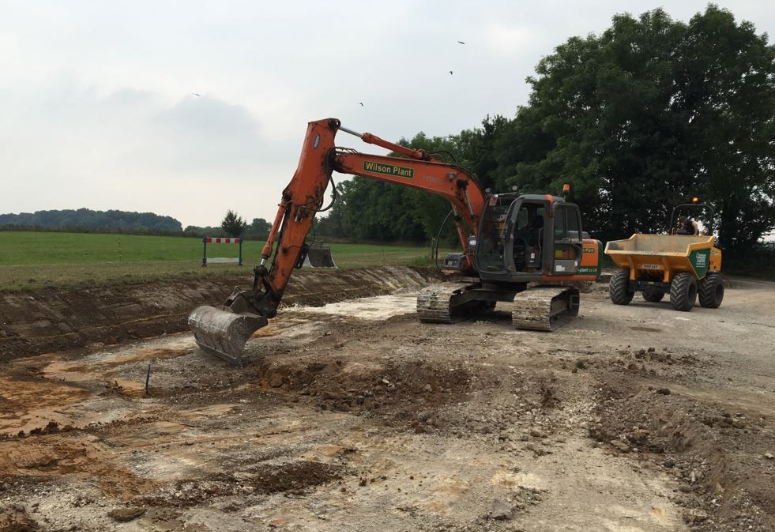
In the realm of construction and land development, one pivotal step that sets the foundation for all upcoming tasks is site clearing. This initial phase is not merely about removing vegetation or debris; it embodies preparation, foresight, and a strategic approach towards creating a blank canvas on which the dreams of architects and the visions of planners can be realized.
The Pillar of Safety
First and foremost, the importance of site clearing extends deeply into ensuring safety on the construction site. Unforeseen obstacles buried under the foliage or debris can pose significant risks to machinery and workers. Clearing the site thoroughly allows for the detection and mitigation of such hazards, ensuring a secure environment. This meticulous process aids in preventing accidents, thereby safeguarding human lives and operational equipment, which are essential for maintaining the timeline and budget of a project.
The Foundation of Efficiency
Following safety, efficiency stands as another critical consideration. A well-prepared site, free from unnecessary impediments, allows construction teams to mobilize and deploy resources with greater speed and accuracy. It sets the stage for all subsequent operations, from excavation to the final construction phases, ensuring that each step can be executed without delay or complication. This streamlined approach not only saves time but significantly reduces the likelihood of expensive, time-consuming errors.
Enabling Accurate Planning and Execution
Beyond safety and efficiency, site clearing plays a vital role in the accuracy of land site development and project execution. Clearing the land provides engineers and surveyors with an unobstructed view and access to the site, enabling them to perform accurate surveys and layout plans. This precision is critical in ensuring that the construction aligns with the architectural designs and regulatory requirements, minimizing the need for costly adjustments during the construction phase.
Sustainability and Environmental Consideration
Amid growing environmental concerns, site-clearing practices have evolved to incorporate sustainable methods that aim to minimize ecological damage. This involves the selective clearing of vegetation, responsible disposal of debris, and the preservation of natural land contours. By adopting such conscientious practices, developers can reduce their environmental footprint while making strides toward sustainable land site development.
Conclusion
In conclusion, the role of site clearing cannot be overstated in the context of construction and development projects. It lays the groundwork for a safe, efficient, and precise implementation of the project plans. By ensuring a clear, well-prepared site, developers and contractors can pave the way for successful construction activities, ultimately leading to the timely and cost-effective realization of their project goals.
